
<!doctype html>
Wood look, lower upkeep, engineered spans—yet some installs still fail. Maybe the question isn’t “what is composite decking?” but
“which build-up, texture, and cap chemistry make sense for this site?”
What Composite Decking Actually Is
In short, a wood-polymer composite board—typically a recycled polymer core with wood flour—often protected by a
weatherable cap layer (e.g., ASA). If the cap resists UV fade and stains, why do some decks still chalk or get slippery?
Could it be… texture choice, cleaning habits, or drainage rather than “the material” itself?
Cap layer (ASA)
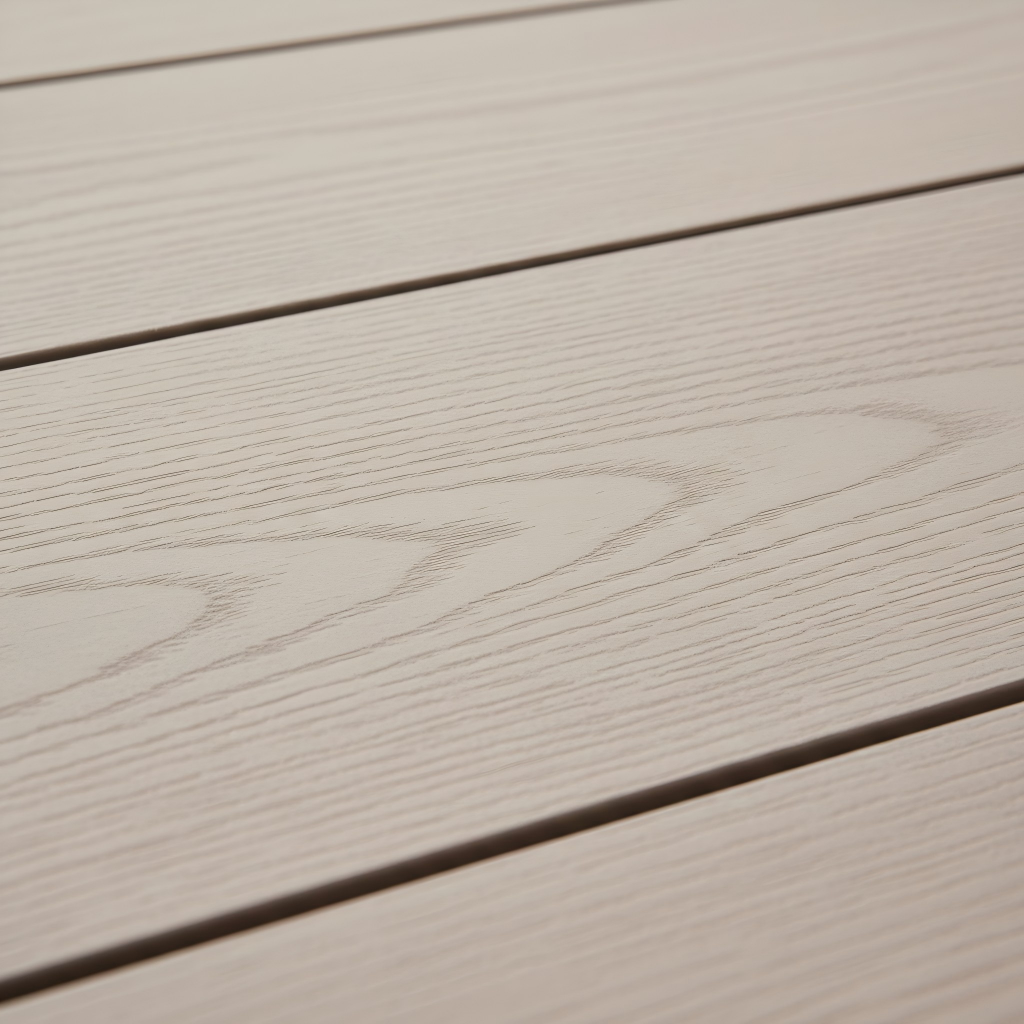
Emboss/texture
Hidden clips
Joists / pedestals
Quick refresher on composites? See a neutral primer on wood–plastic composites, then come back for the spec-level decisions that actually move the needle.
How It’s Made (and Why That Matters)
Co-extrusion with a Cap
The wear surface is co-extruded over the core. If the cap is ASA, color drift (ΔE) and chalking typically drop—
but only if thickness and bond are controlled. Will an extra-thick cap help, or will uniform coverage do more?
Compare finishes on our Ecosolid Decking.
Emboss & Texture
Matte/open-grain textures shed films better than glossy emboss. If wet slip targets matter, shouldn’t the texture be
chosen before the color swatch?
Poolside and barefoot notes: see our guide on slip & drainage.
When to Use Composite Decking
| Use Case | Why Composite Works | Watch-outs |
|---|---|---|
| Balconies & rooftops | Lightweight build-ups; clean install over pedestals; consistent spans. | Wind uplift, drainage paths, and tested reaction-to-fire for the assembly. |
| Pool decks | Matte textures; stain-resistant caps for sunscreen & drinks. | Wet slip target (e.g., pendulum PTV/DCOF) and routine neutral-pH cleaning—are they in your contract? |
| Hospitality/retail | Lower downtime vs sanding/oiling timber; tidy edges with bullnose. | Plan for heavy planters and point loads via joist spacing. |
Spec Decisions That Change Outcomes
- Cap & color: ASA cap + light/mid matte tones reduce heat and visible fade. If the site is coastal, will stainless hardware get a freshwater rinse after storms?
- Texture & slip: Declare the test method and the exact texture supplied. Otherwise, how would you defend the rating later?
- Subframe: Timber vs aluminum rails over pedestals—are falls to outlets kept clear, or will the first planter block them?
- Gaps & ventilation: Clip-controlled side gaps (≈4–6 mm), temp-based end gaps, ≥50 mm airflow. If ventilation is starved, what swells first—the board or the blame?
Composite vs Timber vs Pavers (10-Year View)
Timber charms day-one, pavers dominate in impact, and composite quietly wins on planned maintenance.
But is TCO your only axis, or do you also need balcony fire evidence and slab weight margins?
Deep dive: 10-Year TCO comparison and real-world installs in the Project Gallery.
Buyer’s Shortlist
- Written declaration of cap chemistry (e.g., ASA) and cap thickness tolerance.
- Accelerated UV report with ΔE color change & gloss retention hours stated.
- Wet slip values (Pendulum/DCOF or DIN 51097 for barefoot) for the exact texture.
- Joist spacing + clip system; perimeter restraint and drain paths drawn, not guessed.
- Warranty wording that names fade & stain (hot/coastal use if relevant).
FAQ (the questions people almost ask)
Does a thicker cap always mean better?
Uniform coverage and bond matter more than headline thickness. Over-thick caps can crack at edges; thin caps wear faster.
Is “composite timber decking” the same as composite decking?
Usually yes in casual use, but specs should state composite decking with cap chemistry, slip method, and texture.
Can I float composite over a waterproof roof?
Yes—use pedestals/rails, keep drainage open, and follow the membrane supplier’s details. Perimeter restraint? Don’t skip it.

